Tag Archive: fatherhood


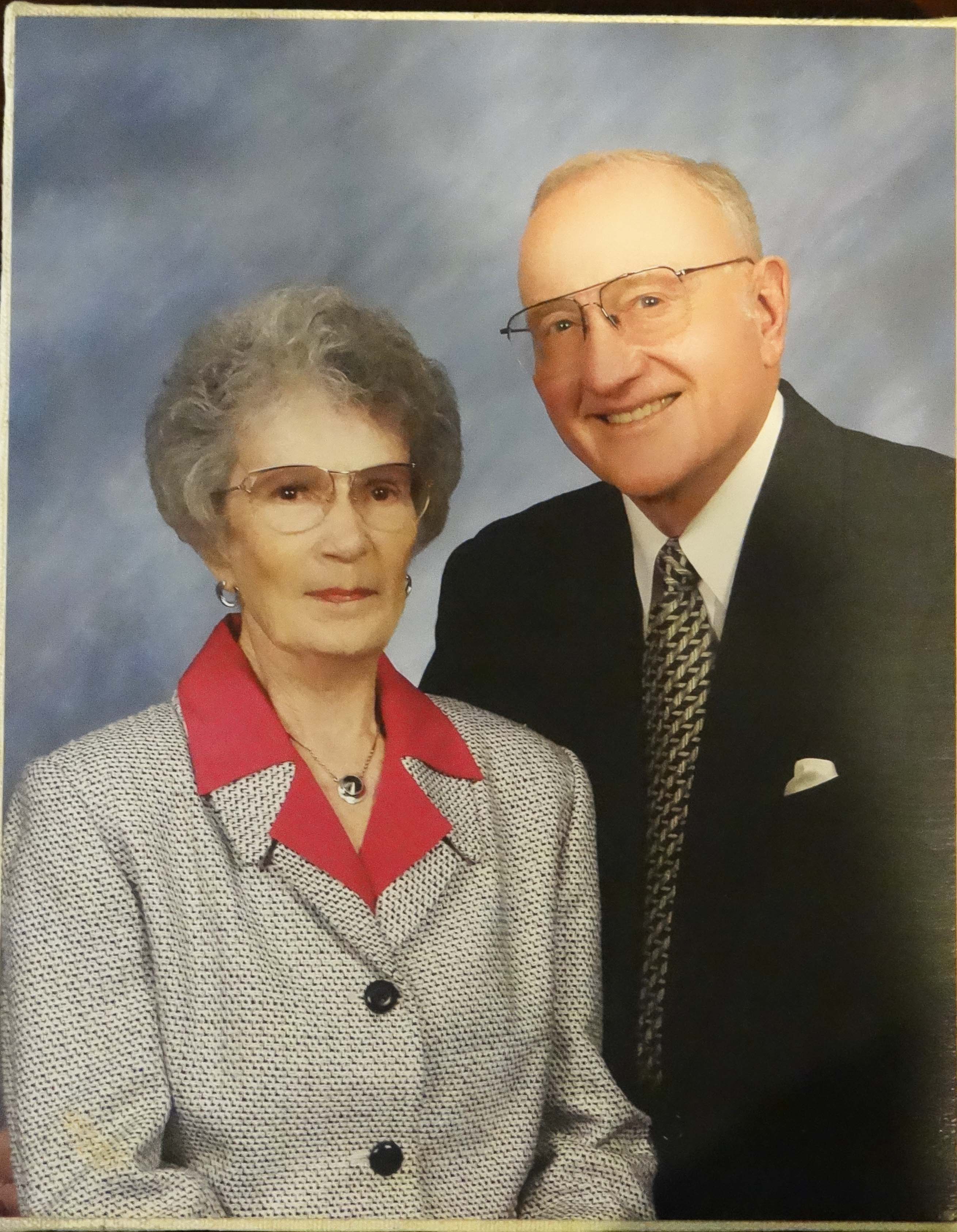
Mom and Dad1I was talking to my mom on the phone the other day. We talked about how the aunts and cousins were getting along – the only husband left among Mom and her surviving siblings is Dad. Aunt Stella Joe passed away a week or so ago after falling, breaking her hip and shoulder. She was in hospice for several weeks.

We talked about the journeys my cousins, Scott, Sue, and David had to travel while she was in hospice. Especially with Scott’s wife having brain cancer. The waiting and hoping, yet not sure what to pray for. Our family went through the same type of situation with my Aunt Juanita on my father’s side. Cyndy and I also went through the same situation with her Aunt Gee.

Mom and I talked about her two remaining sisters, Edna and Clara. We talked about our immediate family, the situations our four children are dealing with, the recent rain, and other things. I would give my opinion and Mom would reply, “that’s what Dad said.” It occurred several times during the conversation.

Which surprised, and slightly amused me. When I was in my twenties, and thirties for that matter, it would have severely irritated me to be told I sounded like my dad. He and I are so much alike that the few differences were magnified. He and I did not always talk directly. A lot of the time it was through Mom.

Over the years though, I have learned to appreciate the ways we are alike and also the ways in which we are different. We are closer now than we ever were back then. Having your own children changes how you previously viewed your father and fatherhood. First Jennifer, then the three boys, Conner, Cameron and J.D. I began to find myself saying certain things to them and then thinking “holy crap, I sound like my dad!”

In high school, a few friends and I decided to make a list of all the things that we would do differently with our children than our parents did. We would put the list in a safety deposit box and open it after we all had children and see how we did. Then we decided we would save ourselves the grief of not only having done things like our parents, but of not doing the things we were going to do differently. Even though we disagreed with our parents – still do on some things – overall they were probably right and we knew it even then.

I was talking with Dad a short while back and he was telling me about my grandparents when he was young. And the last part of the last paragraph?

That’s what Dad said.

Peace be with you.
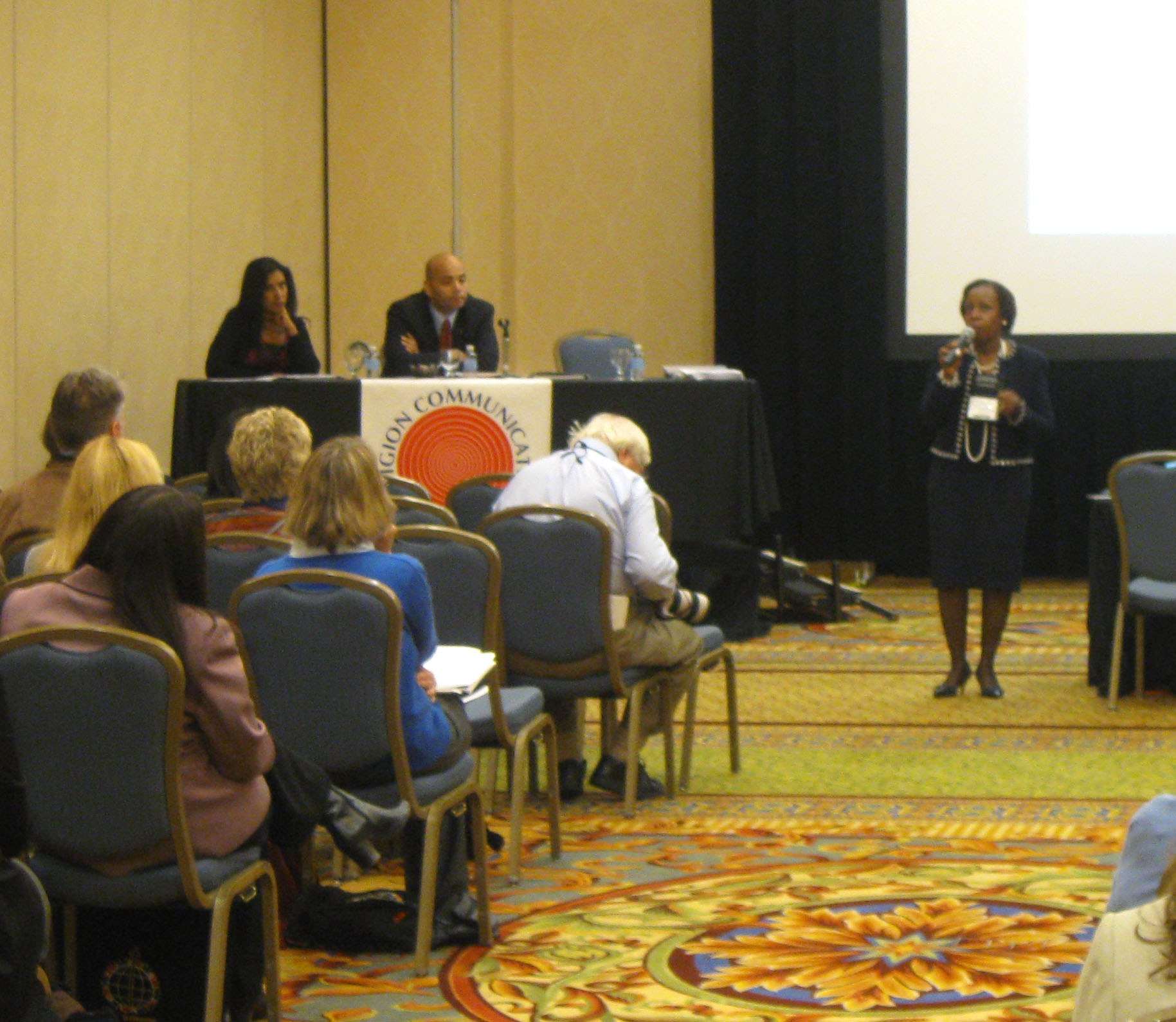
The full title of the opening plenary of the RCC national convention was “The Interdependence of Faith and Government Working for the Common Good.” The theme of the convention – being in Philadelphia and all – was “Interdependence: Religion Communication Today.” As I stated in my previous post, the plenary was scheduled to begin at 1:30 and I was walking down the stairs from the second floor skybridge to the lobby a few minutes later. Check-in at the hotel was not until 4 p.m., so, backpack and computer bag in hand – and on shoulder – I checked in to the convention and went in for the plenary.

Rev. Brenda Girton-Mitchell, director of the Faith-based and Neighborhood Partnerships Center at the Department of Education, moderated the panel of Directors of FBNP Centers. In addition to her work at the DOE, Girton-Mitchell also started a consulting firm to assist churches and nonprofits in advocacy, leadership development, and conflict resolution. The mission of the Center at the DOE is to promote student achievement by connecting schools and community-based organizations, both secular and faith-based.

The second panelist, Zeenat Rahman, acting director of the Center for Faith Based and Community Initiatives, U.S. Agency for International Development (USAID), is a regular contributor to the Chicago Tribune. She has also appeared in The Washington Post, National Public Radio, and CNN speaking on issues related to Muslim identity, civic engagement, and international affairs. Rahman is a Fellow with the American Muslim Civic Leaders Institute at the University of Southern California.

The third member of the panel was Eugene Schneeberg (rhymes with “neighbor”), director of the Center for FBNP for the U.S. Department of Justice. Under his leadership, the Center works to advance the goals of the President’s National Fatherhood & Mentoring Initiative, assists in the coordination of the National Forum on Youth Violence Prevention and serves on the Federal Interagency Reentry Council. Schneeberg, a graduate of Gordon Conwell Theological Seminary and Boston University, is passionate about his center’s initiatives.

The White House Office of FBNP works with centers at 13 federal agencies to form partnerships between government at all levels and nonprofit organizations, both secular and faith-based, to effectively serve Americans in need. The Center’s primary goals are to: Engage community-based organizations, both secular and faith-based, in building a culture of high expectations and support for education, Develop and support initiatives within the federal government to help maximize the education contributions of community-based organizations, including faith and interfaith organizations, and Strengthen partnerships between community-based organizations and schools to help improve the nation’s lowest-achieving schools.

The three directors were entertaining and informative, displaying their passion for the work their particular center does. Girton-Mitchell told the room of communicators that Directors of FBNP centers would be glad to make appearances similar to the panel discussion for the RCC convention to spread the word about their programs and initiatives if multiple presentations can be arranged to justify the travel expenses – which are limited. Each of the panelists introduced themselves and talked about the initiatives of their particular center, including the links contained in this post.

Peace be with you.